
Key Factors to Consider When Choosing the Best Dishwasher
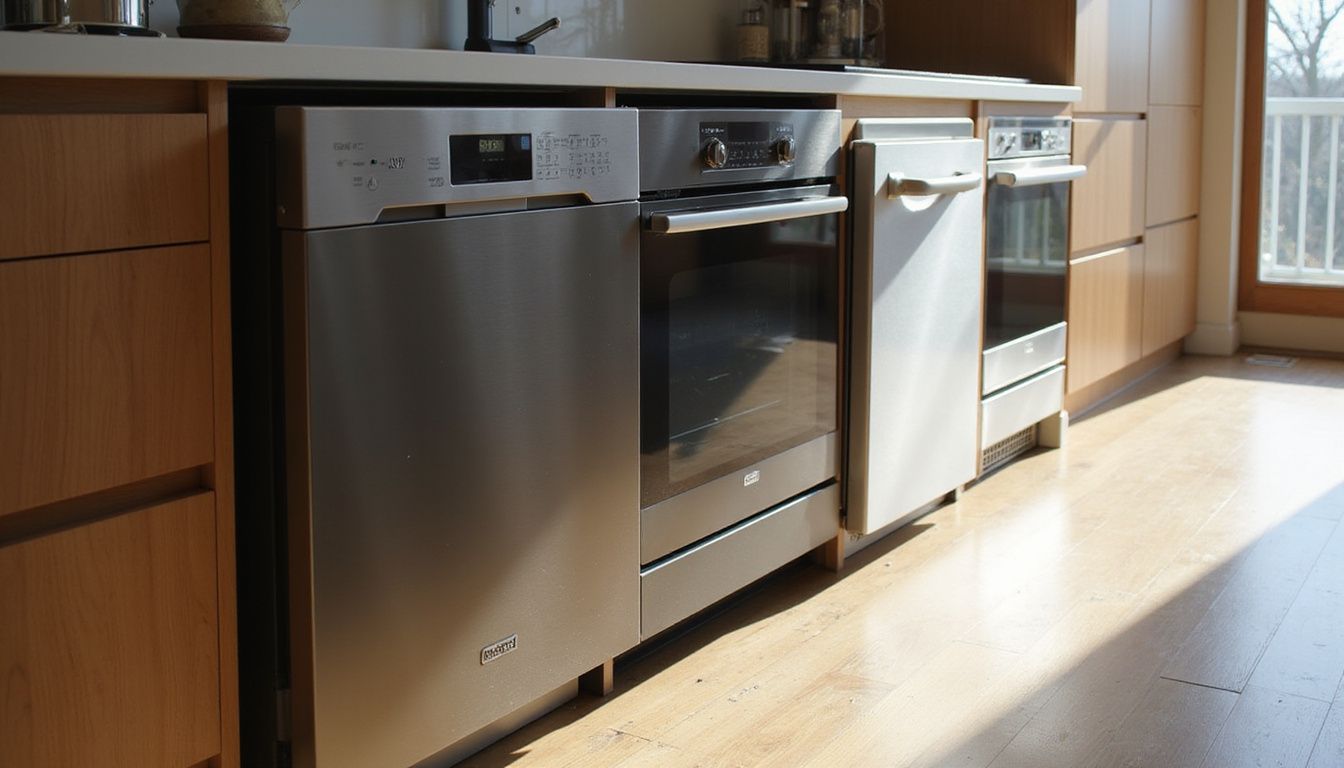
I look at five things first: fit, cleaning system, drying method, noise, and the long-term cost shown on the yellow EnergyGuide label. Get those right and most “bad dishwasher” stories disappear.
If you want a quick visual overview before you shop, this video is a solid starting point: dishwasher sizing and buying checklist video.
Here is the shortcut I use for most US kitchens.
| Dishwasher type | Best for | Typical cabinet space | What to watch for |
|---|---|---|---|
| Standard built-in (24-inch) | Most households | About 24 inches wide, about 24 inches deep, about 34 to 36 inches high | Door clearance near walls, toe-kick height, and whether the new unit will sit flush with your cabinets |
| Compact built-in (18-inch) | Apartments, condos, small families | About 18 inches wide, similar height and depth to standard models | Lower capacity, fewer premium rack features, but easier fit in tight layouts |
| ADA-height built-in | Raised floors or accessibility layouts | Shorter height class (often around 32 inches tall) | You must confirm your exact opening height and the model’s minimum height with feet adjusted |
| Portable | Rentals or kitchens with no built-in cutout | No cutout needed | Faucet hookup, storage space, and whether you can roll it close enough to the sink |
How do I choose a dishwasher for my kitchen size and space?
I measure first, then I shop. In my experience, this is the single most overlooked step, and it is the easiest one to get right.
- Measure the opening: width, depth, and height inside the cabinet cutout. In many US kitchens, a standard opening is roughly 24 inches wide and 34 to 36 inches high.
- Check the “depth” the right way: manufacturers often list depth to the front of the door, so a unit can look “too deep” on paper even though it installs correctly.
- Plan for the door swing: if the dishwasher is near a wall, you may need a bit of clearance so the door and handle do not crash into trim.
- Pick the right width: 24-inch built-ins for most homes, 18-inch built-ins for tight kitchens, and portable options when there is no cabinet cutout.
Then I confirm the basics before purchase: a hot-water supply line, a drain route (often to the disposal or sink drain), and the electrical connection method in your home (hardwired or corded). Those three details decide whether installation is easy or expensive.
I also like Energy Star certification for long-term operating costs. ENERGY STAR’s current dishwasher criteria (effective since mid-2023) caps standard-size models at 240 kWh per year and 3.2 gallons per cycle, which is a practical benchmark for efficiency shopping.
If organization matters, I prioritize a third rack and an adjustable middle rack. It is the fastest way to stop playing “dish Tetris” every night.
What is the best dishwasher for my budget and price range?
I break budgets into three buckets: under $700 for true entry-level, $800 to $1,300 for strong value, and premium pricing for the best drying systems and the quietest builds.
- Value-focused: the Bosch 300 Series (SHE53C85N) delivers strong cleaning features without paying for every premium add-on.
- Premium performance: the Bosch 800 Series (SHP78CM5N) earns its price by pairing very low noise with top-tier drying.
- Large households: KitchenAid models like KDTM604KBS add loading capacity and targeted jets that help with bulky cookware.
For shoppers who want to browse by control style and finish, Bosch breaks out lines like front-control dishwashers and the broader dishwasher lineup.
How can I evaluate dishwasher cleaning performance?
I test cleaning the same way I troubleshoot in a home: I look for the reason, not just the result.
- Soil handling: heavy cycle performance on baked-on starches and proteins tells me more than a “quick wash” ever will.
- Filtration style: a microfilter system that stays clean helps keep redeposit and grit off glasses.
- Spray coverage: targeted jets and a well-designed third rack reduce “dead zones” where utensils and lids stay dirty.
- Detergent and rinse aid compatibility: a good dishwasher should perform with mainstream detergent packs, but rinse aid still helps with spotting in hard water.
Pro tip I share with homeowners who are frustrated with spots: stop pre-rinsing and start scraping. ENERGY STAR has pointed out that pre-rinsing can use up to 20 gallons of water, and modern dishwashers and detergents are built to handle the soil.
Which dishwashers are the quietest?
For open kitchens, I treat 44 dB(A) as a practical goal. Under that, most people stop noticing the machine during dinner and TV time.
- KitchenAid KDFE204KPS: rated at 39 dBA, this is a strong pick if noise is your top priority.
- Bosch 800 Series SHP78CM5N: rated at 42 dB(A), and it is one of the easiest upgrades for open-plan homes.
- GE Profile PDT755SYVFS: rated at 42 dBA, with a lot of sound control plus useful drying features.
- Miele G 5008 SCU Active (model 11966810): listed at 44 dB in typical specs, which still lands in the “very quiet” range for most homes.
If you are comparing two models and one is 46 dB(A) while the other is 42 dB(A), that difference is usually noticeable in a quiet home. It matters most in condos, open layouts, and households that run loads overnight.
How energy efficient are modern dishwashers?
Energy use is not just about electricity, it is also about hot water. That is why I always check both the EnergyGuide label and the water-use spec before recommending a model.
For a clean benchmark, ENERGY STAR’s current criteria caps standard-size certified dishwashers at 240 kWh per year and 3.2 gallons per cycle. That gives you a quick pass-fail test for “efficient enough” without overthinking it.
- Soil sensors: they can shorten cycles and reduce waste on lighter loads, which helps keep costs down over time.
- Drying method: premium systems (like CrystalDry or fan-assisted drying) can reduce towel drying, but they may add heat time, so compare the EnergyGuide numbers.
- Capacity strategy: a larger machine can be more efficient per dish if it helps you run fewer cycles each week.
Best Overall: Bosch 800 Series (SHP78CM5N)
I rate the Bosch 800 Series (SHP78CM5N) as my best dishwasher pick for homeowners who want quiet performance without giving up drying results. On service calls, this is the type of machine that usually gets maintained, not replaced, because owners like living with it.
If you want a quick walkthrough, here’s a helpful overview video: Bosch 800 Series video overview.
What are the key features of the Bosch 800 Series dishwasher?
The headline feature is CrystalDry, which Bosch says transforms moisture into heat up to 176°F to drive better drying, including plastics. That matters because plastics are where “good cleaning” models still disappoint.
For cleaning, Bosch pairs PrecisionWash with PowerControl. In plain language, it uses sensors and targeted spray to stay aggressive when the load is messy, and it eases off when it is not.
- Noise level: 42 dB(A)
- Racking: flexible third rack plus RackMatic adjustability for tall items
- Glide: EasyGlide racks make full loads easier to handle day after day
What are the advantages and disadvantages of the Bosch 800 Series?
I like this model because the strengths match what homeowners complain about most: noise, drying, and loading. The tradeoff is that premium tech can mean premium parts and premium service.
- Excellent drying: CrystalDry targets the most common complaint I hear, “everything is clean but still wet,” especially for plastics.
- Very quiet: 42 dB(A) fits open layouts and overnight cycles.
- Better loading: a flexible third rack and adjustable rack height reduce reloads and hand washing.
- Strong support structure: Bosch publishes detailed manuals, parts diagrams, and service channels, which helps when repairs do come up.
- Higher upfront cost: it is priced like a premium machine, so it is not the right fit for every budget.
- More electronics: advanced controls can add complexity when troubleshooting compared with simpler entry models.
Best Value for Mid-Range Budgets: Bosch 300 Series (SHE53C85N)
I recommend the Bosch 300 Series SHE53C85N for homeowners who want a dependable dishwasher with smart cleaning features, but do not need every premium drying upgrade. It is a practical “buy once, stop thinking about it” kind of choice.
Here is a quick video look at the series: Bosch 300 Series video overview.
What features does the Bosch 300 Series offer?
The big win here is Bosch’s core cleaning approach without the top-tier price. You still get sensor-driven washing and thoughtful racking.
- Noise level: 46 dB(A), which is quiet enough for most kitchens
- Cleaning: PrecisionWash adjusts based on what the sensors detect in the wash water
- Drying: PureDry uses an energy-focused drying approach that is safe for plastics
- Loading: third rack plus RackMatic height adjustment to fit tall items
- Connectivity: many configurations include Home Connect for cycle status and notifications
From a repair perspective, I like that it sticks to proven systems. Less gimmick, fewer surprises.
What pros and cons should I know about the Bosch 300 Series?
I have installed and repaired many Bosch models over the years. This series usually hits the best balance between everyday performance and long-term ownership cost.
- Strong value: you get sensor-based cleaning and flexible racks without paying for the highest-end drying system.
- Quiet operation: 46 dB(A) works well for apartments and open-plan spaces.
- Good loading flexibility: a third rack and RackMatic help with stemware, lids, and tall bowls.
- Drying expectations: it dries well for most dishes, but plastics can still benefit from rinse aid and good loading habits.
- Learning curve: owners sometimes need a week to find their favorite cycle and option combo.
Best Budget Pick: Whirlpool WDP540HAMZ
For homeowners who need a real budget option, the Whirlpool WDP540HAMZ is one of the better “simple, dependable” builds I see recommended for entry-level shopping. It is not fancy, but it covers the basics without forcing you into smart features.
- Noise level: often listed around 55 dBA, so you will hear it more than the premium picks.
- Capacity: commonly listed at 12 place settings, which fits many small families.
- Filtration: triple filtration helps cut down on pre-rinsing and redeposit.
If your current dishwasher is dead and you want to keep costs down, this is the kind of model where I tell people to focus on correct installation, solid detergent, and filter cleaning. That is how you avoid early “it doesn’t clean” complaints.
Best for Small Kitchens: Midea 18-Inch Built-In Dishwasher (MDF18A1AST)
An 18-inch built-in is the cleanest solution when you do not have room for a standard 24-inch opening. The Midea MDF18A1AST is a clear example of what this category looks like in the US: slimmer width, solid basics, and enough capacity for smaller households.
- Size and capacity: 18-inch class with 8 place settings
- Noise level: listed at 52 dBA, which is reasonable for compact living
- Cycles: six core programs (including Heavy, Normal, ECO, Quick, and Rinse)
- Drying: heated dry option, plus sanitize and hi-temp options for tougher loads
My practical advice: if you are downsizing to 18 inches, also downsize your expectations on oversized cookware. Measure your biggest sheet pan, skillet, and mixing bowls first so you do not get stuck hand-washing the items you use most.
Best for Large Capacity: KitchenAid KDTM604KBS
I recommend the KitchenAid KDTM604KBS for large loads and bulky pots. When a household runs the dishwasher daily, capacity and loading flexibility matter as much as raw cleaning power.
What makes the KitchenAid KDTM604KBS ideal for large capacity?
This model is built around space and coverage. It is designed to hold a lot in one run, then use targeted jets to reduce the “dirty corner” problem that big loads create.
- Capacity: 16 place settings
- Noise level: 44 dBA
- Wash system: 360 Max Jets, plus multiple wash arms for better coverage
- Drying: fan-enabled ProDry designed to push drying performance beyond basic heat-only systems
One important note for efficiency shoppers: on published retailer specs, this specific model is not consistently listed as ENERGY STAR certified, so I treat the EnergyGuide label as the deciding document before you buy.
What are the pros and cons of the KitchenAid KDTM604KBS?
I like this model for big families who cook a lot. I also warn DIY installers that heavier machines can turn into a frustrating weekend project fast.
- Big-load friendly: 16 place settings is real breathing room for families and frequent entertaining.
- Strong drying focus: ProDry plus targeted jets help with plastics and deep containers.
- Very usable racking: three racks and adjustable layout make it easier to fit odd-shaped cookware.
- Not the cheapest to own: parts and repairs can cost more than basic models, so I suggest checking warranty terms and local service availability.
Best High-End Option: Miele 24-Inch Built-In Dishwasher
For homeowners who want the high-end experience, I look at Miele’s premium 24-inch built-ins, especially the G 7000 series style machines with advanced drying and detergent dispensing options.
The reason I take Miele seriously at the top end is longevity. Miele states its dishwashers are tested for up to 20 years of average household use, which aligns with what I see when owners keep up with basic care.
What features define the Miele 24-Inch Built-In Dishwasher?
Miele’s premium models tend to focus on consistency, not gimmicks. You get thoughtful loading, stable wash results, and options that reduce user error.
- AutoDos with PowerDisk (select models): Miele says the PowerDisk holds enough detergent for about 20 cycles, which helps prevent “too much soap” and “no soap” mistakes.
- App connectivity (Miele@home on many models): useful for cycle monitoring and reminders without standing in front of the machine.
- Drying approach: many premium units use door-opening drying at the end of the cycle to improve results without baking plastic.
- Loading: a third-level tray design on many models makes silverware and utensils easier to organize.
What pros and cons come with the Miele 24-Inch Dishwasher?
In homes that want a “buy it once” dishwasher and plan to stay put, Miele is a strong long-term bet. The tradeoff is that premium ownership includes premium pricing, and repairs should be done correctly.
- Build quality focus: long-life testing and tight manufacturing standards support long-term ownership.
- Excellent cleaning consistency: especially helpful for households that run mixed loads with varied soil levels.
- Smart features where they help: AutoDos can prevent common loading and detergent mistakes that lead to service calls.
- Higher cost: both purchase price and genuine parts can be more expensive.
- Service considerations: confirm local support so you are not waiting weeks for specialty service if something fails.
Best Smart Features: GE Profile 24-Inch Dishwasher
If smart features matter to you, I like GE Profile’s current approach because it focuses on practical problems: odor control, drying plastics, and getting useful alerts. A strong example in this category is the GE Profile PDT755SYVFS class of machines, rated at 42 dBA.
What smart features does the GE Profile 24-Inch Dishwasher have?
GE pairs built-in Wi‑Fi with the SmartHQ app for remote monitoring, notifications, and updates. That is helpful if you run loads overnight or want to know the cycle is done without walking to the kitchen.
- UltraFresh System with Microban: GE describes this as a drain, dry, and antimicrobial approach to reduce odor and bacteria in key areas.
- Twin Turbo Dry Boost: GE says it can dry hard-to-dry items like plastics up to 3 times better than typical heated dry cycles.
- Deep Clean Silverware Jets: targeted jets aimed at the silverware area to cut down on rewash.
What are the pros and cons of the GE Profile Dishwasher?
I like GE Profile for homeowners who want smart convenience plus a strong drying system. I still tell buyers to read the fine print on installation needs and warranty coverage, because those details decide whether smart features feel helpful or annoying.
- Strong drying tech: fan-assisted drying is a real upgrade for plastics, sports bottles, and kid cups.
- Quiet rating: many models sit around 42 dBA, which fits open kitchens.
- Useful connectivity: SmartHQ notifications and status checks reduce guesswork.
- More systems to troubleshoot: fans, sensors, and Wi‑Fi boards can add complexity if a repair is needed.
- Model-by-model variation: GE Profile has many similar-looking models, so confirm the exact model number and feature set before purchase.
Most Reliable Dishwasher Brands, According to Experts
I judge reliability with two lenses: what I see on service calls, and what large reliability datasets show. Both matter, because a brand can be great on paper but hard to service in your area.
| Source type | What it measures | Key takeaway for buyers |
|---|---|---|
| National reliability study | Real owners reporting problems in the first 1 to 3 years | In J.D. Power’s 2025 U.S. Appliance Reliability & Service Study, KitchenAid ranked highest for dishwasher reliability, with Bosch and GE close behind. |
| Service-call tracking | Actual service calls per units sold in a region | Regional service-rate reports can help you choose brands that break less and are easier to get serviced fast. |
| Member survey reliability | Longer window “how often did it fail” across many models | Consumer Reports has found that breakdowns and performance drops are not rare, which is why basic maintenance and correct loading matter as much as the brand badge. |
Why is Bosch considered a reliable dishwasher brand?
Bosch tends to do well because it combines quiet operation with consistent wash systems and strong parts documentation. In the field, I see fewer “mystery” issues on Bosch compared with brands that change platforms frequently.
- Quiet engineering: many Bosch models sit in the 40s dB(A), which usually means better insulation and tighter construction.
- Practical racking: third racks and RackMatic-style adjustability solve daily loading problems.
- Warranty structure: Bosch lists multi-part warranty coverage, including longer parts-only coverage for certain electronics and rust-through coverage on key stainless components.
What makes Miele dishwashers trustworthy?
Miele is a durability-driven brand. When owners maintain them, they tend to stay in service a long time, which is the biggest compliment I can give an appliance.
- Longevity focus: Miele states its dishwashers are tested for up to 20 years of average household use.
- Premium cleaning systems: strong cycle design plus optional AutoDos on certain models reduces user error.
- Quiet operation: many models compete in the low-40s dB(A) range.
Why do experts recommend KitchenAid dishwashers?
KitchenAid earns recommendations because it usually combines strong cleaning coverage with very usable racks, and it has models that prioritize drying performance for real family loads.
- Targeted wash action: multiple jets and dedicated zones help with baked-on messes.
- Low-noise options: some KitchenAid models reach 39 dBA, which is excellent for open layouts.
- Strong third-rack designs: they add capacity without making the lower racks feel cramped.
How can I maintain my dishwasher for long-term use?
I service dishwashers every week, and most “my dishwasher stopped cleaning” calls come down to maintenance, loading habits, or the wrong detergent for the home’s water.
- Scrape, don’t rinse: it saves water and helps modern soil sensors do their job. ENERGY STAR has noted that pre-rinsing can use up to 20 gallons of water.
- Clean the filter monthly: if your model has a user-cleanable filter, a quick rinse prevents recirculating grit that dulls glassware and blocks spray.
- Check spray arms every 1 to 3 months: clear holes with a toothpick or soft brush if you see debris, especially after a broken-glass incident.
- Run a cleaning cycle: use a dishwasher cleaner or a manufacturer-recommended method to reduce grease and mineral buildup, especially in hard-water homes.
- Use rinse aid if you have spots: it is one of the cheapest upgrades for drying and glass clarity.
- Load for water flow: keep big plates from blocking the detergent door and leave space between items so spray can reach surfaces.
- Watch the door seal: wipe it down and look for tears or food buildup that can cause leaks and odors.
- Act early on symptoms: slow draining, a burning smell, or repeated error codes are cheaper to fix early than after a flood or a board failure.
Quick troubleshooting before you call for service
- Not draining: check the filter, then check the sink drain path (a clogged disposal or a blocked air gap can mimic a dishwasher failure).
- Not drying: confirm rinse aid is filled, then use the stronger drying option and avoid nesting plastics.
- Cloudy glasses: reduce detergent, use rinse aid, and consider a descaling routine if your home has hard water.
- Bad odor: clean the filter and run a hot cycle, then leave the door cracked after the load to let moisture escape.
Conclusion
I tested and serviced models across price ranges and kitchen layouts, and my goal is simple: help you pick the best dishwasher that fits your space, your noise tolerance, and your daily load size.
Use the sizing checklist first, then choose the model whose cleaning and drying system matches how you actually cook and live.
Once it is installed, steady maintenance and smart loading habits keep the best dishwashers running quietly and cleaning well for years.
FAQs
1. What makes the best dishwasher for different budgets and kitchen sizes?
Look for strong cleaning, useful cycle options, low energy use, and quiet operation. Match capacity and physical size to your kitchen and family needs, and compare test scores and user reviews before you buy.
2. How do I choose the right size for my kitchen?
Measure the opening and pick a full-size dishwasher for larger kitchens or a compact dishwasher for tight spaces. Check door swing and cabinet fit before you order.
3. Are expensive models always the best dishwasher?
No, higher price can buy extra features but not always better cleaning. Focus on proven cleaning performance, energy ratings, and needed features to find the best value.
4. How should I maintain a dishwasher to keep it working well?
Clean the filter and wipe the door seals once a month to prevent buildup. Run a hot cleaning cycle with the right detergent periodically to clear grease and residue. Load dishes so spray arms can move and inspect hoses and fittings for wear.